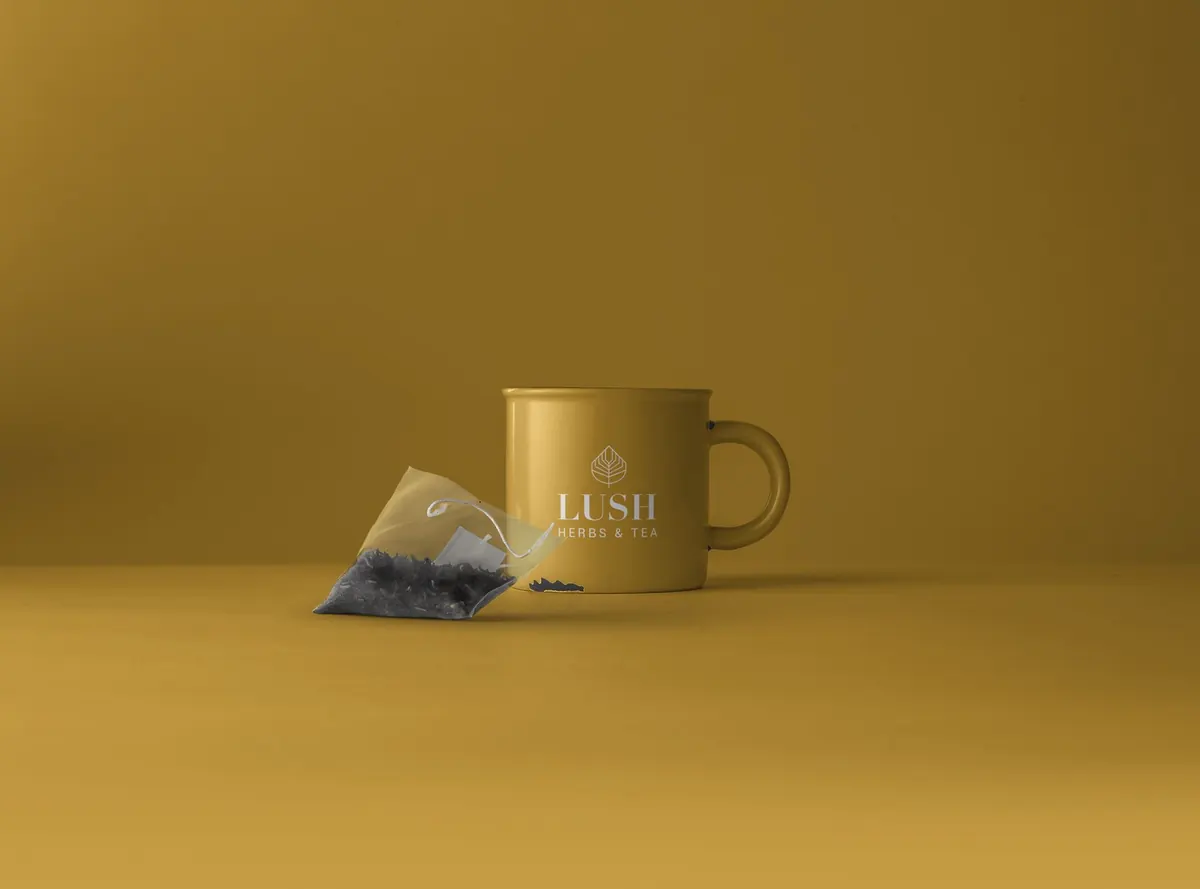
There is a particular kind of disappointment that only a bad cup of tea can deliver. The bag goes in, the water goes on, and four minutes later you are looking at something thin, greyish and faintly bitter. Since most of us drink several mugs a day, the teabag in the cupboard is one of the most repeated decisions in the kitchen. It is worth getting right.
What follows is not a guide to rare single-estate leaves. It is a comparison of the bags you will actually find on a supermarket shelf, judged on the things that matter at 7am and again at 4pm: strength, flavour and value per mug.
What Makes a Good Everyday Cup
A daily teabag has a harder job than a specialist one. It has to taste of something after the milk goes in. It has to forgive a rushed pour and a forgotten minute. And it has to be cheap enough that the third mug of the day does not feel like an indulgence.
So the criteria stay simple:
- Strength: does it stand up to milk, or turn into beige water? The good ones survive a generous splash.
- Flavour: malty, brisk, slightly drying on the finish — rather than dusty or metallic.
- Value: not the price of the box, but the cost per mug. A bag that needs two per cup is not a bargain.
- Consistency: the tenth bag should taste like the first. Own-label blends drift more between boxes than branded ones.
The Big Brands
Four names dominate the shelf, and each has a recognisable house style.
Yorkshire Tea
The default answer for anyone who takes milk. Malty, robust and unapologetically strong, and blended with hard water in mind, so it keeps its character even when the water is mineral-heavy. Yorkshire Gold is smoother and slightly pricier; worth a try if the standard bag feels too brisk. It also survives a four-minute brew without turning harsh.
PG Tips
Brighter and more brisk, with a cleaner finish. It brews fast, which is why it turns up so often in offices and cafés, and it stays interesting over several cups a day.
Tetley
Softer and rounder, with less of a tannic bite. If Yorkshire feels heavy to you, this is the obvious step sideways, and it is forgiving of a long brew.
Twinings
The lighter end of the mainstream. English Breakfast is gentler and more aromatic, and better drunk black or with lemon than drowned in milk. The Everyday blend sits closer to the middle.
Supermarket Own-Brand: The Real Value Story
Tesco Original, Sainsbury's Red Label, Asda, Morrisons and Waitrose Essential all occupy roughly the same territory: a mid-strength blend designed to offend nobody. That sounds like faint praise, and for years it was. The gap is narrower now than most people assume, partly because many own-label bags come from the same handful of large packing houses that supply the brands, working to a spec set by the supermarket's buyers.
In practice, an own-brand bag is usually a perfectly decent cup for a fraction of the branded price. Sainsbury's Red Label is the one most often cited by people who have made the switch, with Tesco and Asda close behind. Where own-label tends to fall short is in the middle of the sip: a little less depth, and a shorter finish.
Look at the premium tiers, though. The "Finest" and "Extra Special" ranges from all the big chains generally use a better leaf grade and a heavier bag. If you want one upgrade without paying brand money, that is where to look.
Aldi and Lidl
The discounters sell tea under their own labels at the lowest cost per bag on the shelf. Character varies, because supply arrangements change and stock comes and goes. Buy a small box rather than a catering pack, brew it exactly the way you brew your usual, and see how it behaves with milk. When it works, the value is hard to beat.
Leaf Grade Matters More Than Bag Shape
Square, round or pyramid — the shape is as much marketing as engineering. What counts is what sits inside. Most standard bags hold fannings or dust: tiny particles that give up their flavour fast. That is why a supermarket bag reaches full strength in two minutes and can turn bitter in six.
Pyramid and whole-leaf bags hold larger pieces. They brew more slowly and give a more complex, less tannic cup, which is exactly what you want if you drink tea without milk. They cost more, and under a good glug of milk the difference is smaller than the price suggests.
There is one genuinely useful number on the box: net weight divided by bag count. A 250g box of 80 bags works out at just over 3g a bag; a 200g box of 80 is 2.5g. That half-gram is often the difference between a mug that tastes of tea and one that tastes of hot milk.
Getting the Best Out of Any Bag
- Boil fresh water. Black tea wants water close to boiling, poured while it is still lively. Water boiled repeatedly tastes flat.
- Match the bag to the mug. A standard bag is built for roughly 200ml. In a 400ml mug, use two or
Photo: Nader Monzer / Pexels